
OUR SERVICES
Care built around how your child is actually growing
Attune Chiropractic in Norwest, Sydney provides gentle, age-specific chiropractic care for babies, toddlers and school-age children. A newborn, a toddler and a nine-year-old don’t just look different — their nervous systems are at completely different stages. That’s why we assess and support each age group differently, rather than offering one generic approach to every child who walks through the door.
CARE BY AGE & STAGE
Every stage has its own concerns — and its own assessment
Below is a guide to what we commonly see and support at each age. If your child’s concern isn’t listed, that’s not a reason to rule anything out — it’s exactly what a conversation is for.
Attune Chiropractic organises care into three age bands: babies and infants (0–2 years), toddlers and young children (2–5 years), and school-age children (5–12 years), each with its own assessment approach.
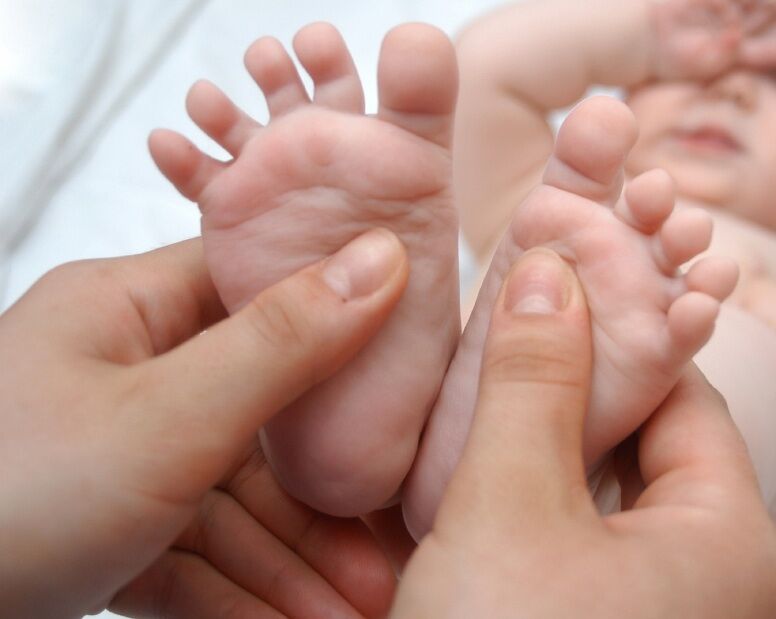
BABIES & INFANTS · 0–2 YEARS
The foundation stage
This is where feeding, settling and early movement patterns are established — and where small issues are often easiest to address early. Our assessment for this age group is gentle and observation-led, looking closely at how your baby feeds, moves, and settles.
TODDLERS & YOUNG CHILDREN · 2–5 YEARS
The movement & milestone stage
As children start walking, climbing and communicating more, we’re watching for how coordination, sleep and behaviour are developing together. Assessment at this age looks at movement, balance and coordination alongside sleep and behaviour patterns.
SCHOOL-AGE CHILDREN · 5–12 YEARS
The focus & function stage
As school introduces new demands — sitting still, handwriting, concentration — this is often when subtler coordination or nervous-system patterns become more noticeable. Assessment for this age looks closely at posture, coordination, and how a child is managing focus and regulation day to day.
AT A GLANCE
Conditions we help with — and how
Attune Chiropractic supports children with feeding difficulties, plagiocephaly, torticollis and neck stiffness, restricted movement, excessive crying/DGBI, tongue-tie-related feeding, gut-brain axis disorder, sleep difficulties, coordination and movement concerns, headaches, and night-time leg cramps, using gentle, age-appropriate hands-on techniques.

Feeding Difficulties
Including a preference for feeding on one side.
How we help: We assess movement through your baby’s jaw, neck and upper body, then use gentle, specific hands-on techniques to ease restriction that may be making one side harder to feed from — alongside practical positioning guidance for home.
Plagiocephaly
A flattened or misshapen head, often related to positioning.
How we help: Gentle hands-on work to support freer neck movement, paired with tailored repositioning and tummy-time guidance so pressure is taken off the flattened area during normal daily activity.
Torticollis & Neck Stiffness
A tight or favoured turn of the neck, at any age.
How we help: Gentle, specific hands-on techniques to ease tension through the neck, combined with guided stretches and positioning cues you can continue at home between visits.
Restricted Movement
Limited range of motion or a strong side preference.
How we help: A full movement assessment to find where restriction sits, followed by gentle hands-on techniques aimed at encouraging more even, comfortable movement on both sides.
Excessive Crying/DGBI
Frequent, hard-to-settle crying beyond what feels typical.
How we help: We check for physical tension or discomfort that could be contributing — jaw, neck, spine and digestion are all assessed — and use gentle hands-on care to help your baby settle more easily.

Tongue Tie–Related Feeding
Feeding concerns linked to tongue tie.
How we help: We assess how tongue tie may be affecting jaw, neck and body tension, and provide gentle hands-on support alongside your lactation consultant or ENT, before and after any tongue tie release.
Gut-Brain Axis Disorder
The overlapping bundle of colic-type symptoms, irritability and reflux.
How we help: Gentle hands-on techniques focused on the nervous system’s regulation of digestion, paired with practical feeding and settling guidance for the household.
Sleep Difficulties
Restless or broken sleep, at any age from infancy through school years.
How we help: We assess for physical tension or discomfort that could be interrupting sleep, then use gentle hands-on therapy to support a more settled nervous system, alongside simple routine guidance.
Coordination & Movement
Balance, crawling, walking and handwriting concerns.
How we help: A developmental movement assessment identifies where coordination is lagging, followed by gentle hands-on techniques and simple home exercises to support smoother, more confident movement.
Headaches
In school-age children, when the cause isn’t yet clear.
How we help: We assess neck and upper back tension, along with posture and screen habits, and use gentle hands-on techniques to ease areas of restriction that may be contributing.
Night-Time Leg Cramps
Consistent, disruptive cramping at night.
How we help: A lower-body and spinal assessment to check for contributing tension, with gentle hands-on care and simple stretching guidance to help reduce frequency.
Note: every visit starts with an assessment specific to your child — the descriptions above are a guide to our general approach, not a fixed protocol.
OUR APPROACH
Knowing what we work with is only half the picture. Here’s how gentle chiropractic care at Attune actually works, and why it looks different depending on your child’s age.
Nervous-System-Led, Not Symptom-Led
Rather than treating a single symptom in isolation, we look at how well your child’s nervous system is communicating with the rest of their body.
Gentle, Age-Adapted Hands-On Therapy
For babies: extremely light, specific fingertip pressure, nothing forceful. For older children: broader but still gentle techniques, always explained first.
No Force, No Rushing
We never use high-force manipulation with infants and young children. Care is slow, specific and paced to what your child’s body is ready for.
Reassessed at Every Visit
We check in on progress each time and adjust the plan accordingly, rather than following a fixed script.
Whole-Family Guidance
Practical, everyday guidance — positioning, feeding, movement and routine — so progress isn’t limited to appointment days.
Collaborative With Your Other Providers
Glad to work alongside your GP, paediatrician, lactation consultant or occupational therapist — complementing your child’s care team, not replacing it.
Care plans aren’t one-size-fits-all. Some children need a short course of visits to address a specific concern; others benefit from ongoing check-ins as they grow through new developmental stages. We’ll talk through what’s appropriate for your child — no set package, no pressure.
YOUR VISIT
What to expect from care at Attune
01
A comprehensive intake
We start with your child’s full history — pregnancy, birth, feeding, sleep and everything in between.
02
A detailed assessment
A thorough physical and developmental assessment, appropriate to your child’s age and stage.
03
A collaborative approach
We work with you, not around you — your observations as a parent matter as much as ours.
04
Gentle hands-on therapy
Age-appropriate, gentle hands-on techniques, explained clearly before we begin.
05
Dietary & lifestyle guidance
Practical suggestions that support care between visits, where relevant.
06
Open communication
Plain-language updates throughout — you’ll always know what we’re seeing and why.
Your initial appointment typically takes longer than follow-up visits, so we can get the full picture. We also recommend that parents attend our free community seminars which occur at frequent intervals and have a chance to meet others in the community and share tips and tricks.
You are not going through this alone. We’re a family-friendly clinic — feel free to bring a comfortable blanket or feeding supplies, and settle in.
GROUNDED IN EVIDENCE
We stay close to the research
Dr Bhuta holds a Master’s degree in research and continues to contribute to the evidence base himself — including case studies currently being prepared for submission to the Australian Spinal Research Foundation. Where we make a claim about what care may help with, we aim to be able to stand behind it.
READY WHEN YOU ARE
Let’s talk about your child, specifically.
Every child’s concerns look a little different. The best next step is a real conversation — or if you’d like a starting point first, our free quiz can help.
COMMON QUESTIONS
Frequently asked questions
What age groups does Attune Chiropractic treat?
Attune Chiropractic sees babies and infants (0–2 years), toddlers and young children (2–5 years), and school-age children (5–12 years), with an assessment approach tailored to each stage.
What conditions does Attune Chiropractic help with?
Common concerns include feeding difficulties, plagiocephaly, torticollis, restricted movement, excessive crying/DGBI, tongue-tie-related feeding, gut-brain axis disorder, sleep difficulties, coordination and movement, headaches, and night-time leg cramps.
Is chiropractic care at Attune gentle and low-force?
Yes. Attune Chiropractic never uses high-force manipulation with infants and young children. Techniques range from extremely light, specific fingertip pressure for babies to broader but still gentle techniques for older children, always explained first.
What happens at a first visit to Attune Chiropractic?
A first visit includes a comprehensive intake of your child’s history, a detailed age-appropriate assessment, and — if care is appropriate — gentle hands-on therapy along with practical guidance for home.

Let’s talk about your child, specifically.
Every child’s concerns look a little different. The best next step is a free, no-obligation phone call — or, if you’re wondering whether it’s worth a second opinion, our two-minute check can help.
Not ready to book? Request a call back about your child
Fill in this form to request a call back about your child and Dr Bhuta or the team will be in touch as soon as possible — usually within one business day. No obligation, no email sequences.
Please don’t include detailed medical information here — we’ll take a full history when we talk. See our Privacy Policy.